How Much Does a Used Car Cost in 2026? Prices, Factors & Import Costs

Buying a used car can cost significantly less than buying a new one, but there is no single price that applies to every vehicle. In the U.S., the average used-vehicle listing price reached $27,028 in July 2026. However, actual used car prices vary widely based on vehicle age, mileage, model, condition, equipment, and location.
For international buyers, the calculation can be more complicated. A vehicle's purchase price is only one part of the final expense. Shipping, customs duties, taxes, port charges, and registration can all affect the total landed cost. This guide explains how much a used car costs in 2026, what determines its value, how Chinese used cars compare, and what international buyers should consider when calculating the cost of importing a used vehicle from China.
How Much Does a Used Car Cost in 2026?
The average used-vehicle listing price in the U.S. was $27,028 in July 2026. The figure was roughly unchanged from June but remained about 6% higher than a year earlier.
However, an average price should only be used as a market reference. Used cars cover a very broad range of ages, conditions, models, and price points.
As a practical budgeting guide:
These ranges are practical budgeting benchmarks rather than fixed market categories. A well-maintained older vehicle can be worth more than a newer car with a poor history, while a popular model may retain its value better than a less desirable one.
Buyers should also distinguish between the advertised vehicle price and the final purchase cost. Taxes, registration, insurance, dealer fees, financing, and other expenses can increase the amount required to own the vehicle.
What Is the Average Price of a Used Car?
The average used-car price provides a useful snapshot of the market, but it does not necessarily tell you what a specific vehicle should cost.
For example, the U.S. average reached $27,028 in July 2026. At the same time, vehicles priced below $15,000 accounted for only 16.4% of used-vehicle inventory, while prices in that segment increased 13.9% year over year.
This illustrates why budget buyers may have difficulty finding inexpensive used vehicles even when the overall market average appears reasonable.
Instead of comparing a vehicle only with the overall average, buyers should compare it with similar vehicles based on:
- Model year
- Mileage
- Make and model
- Trim and equipment
- Condition
- Vehicle history
- Location
A $22,000 used car may be expensive if comparable vehicles are selling for $18,000. Conversely, a $28,000 vehicle could represent good value if similar examples are priced at $32,000 or more.
The right question is therefore not simply whether a car is above or below the market average. It is whether its price is reasonable compared with vehicles offering similar specifications and condition.
How Used Car Prices Vary by Age and Mileage
Age and mileage are two of the most important factors affecting used-car prices, but they should always be considered together.
Used Car Price by Age
Used vehicles generally become less expensive as they age because buyers are purchasing a vehicle with less remaining useful life and greater potential maintenance needs.
Depreciation, however, does not happen at the same rate throughout a vehicle's life. Newer vehicles often experience substantial depreciation during their early years, while older vehicles can retain value when affordable transportation is in strong demand.
Current market conditions demonstrate this effect. In July 2026, vehicles priced below $15,000 experienced a 13.9% year-over-year price increase, reflecting continued demand and limited availability in the affordable segment.
Age should therefore be viewed together with condition, mileage, market demand, and maintenance history.
Used Car Price by Mileage
Mileage is another major pricing factor. Lower-mileage vehicles generally command higher prices when other conditions are comparable because they may have less wear and more remaining service life.
However, low mileage does not automatically mean better value.
A higher-mileage vehicle with complete maintenance records and a clean history may be a better purchase than a lower-mileage vehicle with unclear ownership or repair records.
Before comparing prices, buyers should review:
- Total mileage
- Maintenance records
- Accident history
- Previous ownership
- Major component replacements
- Mechanical condition
- Interior and exterior condition
The goal is to evaluate the vehicle as a whole rather than focusing on one number.
What Factors Affect the Cost of a Used Car?
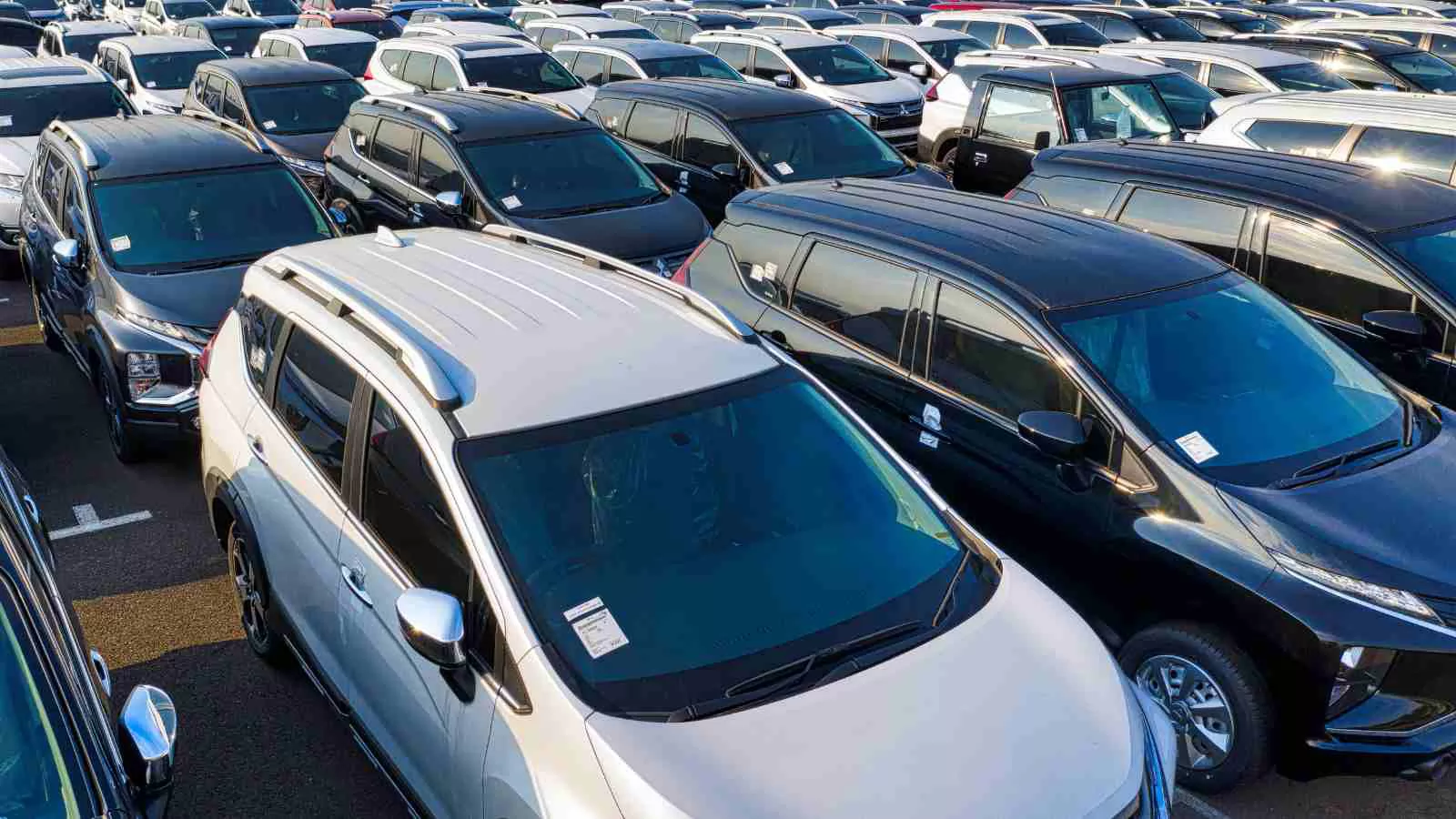
Several factors can change the value of a used car by thousands of dollars.
Vehicle Age
Newer used vehicles generally cost more because they have experienced less depreciation and usually have more remaining service life.
Mileage
Lower mileage can support a higher asking price, particularly when the vehicle has been properly maintained.
Make and Model
Brand reputation, reliability, demand, parts availability, and resale value all influence pricing. Popular models can retain their value better because buyers are willing to pay more for them.
Condition and Vehicle History
Two vehicles with the same model year and mileage can have very different values if one has a clean history and the other has accident damage or incomplete maintenance records.
Important factors include:
- Accident history
- Service records
- Mechanical condition
- Body condition
- Tire and brake condition
- Previous repairs
Vehicle Type and Powertrain
Sedans, SUVs, pickup trucks, MPVs, hybrids, EVs, and gasoline vehicles can have very different price structures.
For example, the average listing price for a used EV was $37,832 in July 2026, considerably above the overall used-vehicle average. This does not mean every EV costs more than every gasoline vehicle, but it demonstrates how vehicle type and powertrain can influence market pricing.
Location and Market Demand
Prices also vary between markets because of local inventory, consumer preferences, transportation costs, climate, and demand.
For international buyers, location has an additional impact because the source price may be only the first part of the final cost.
How Much Do Used Cars From China Cost?
There is no single average price that accurately represents all used cars from China. The market includes gasoline cars, hybrids, EVs, sedans, SUVs, commercial vehicles, older vehicles, low-mileage cars, and Certified Pre-Owned vehicles.
The price of a Chinese used car depends mainly on its brand, model, model year, mileage, condition, configuration, and market demand.
What Determines Chinese Used Car Prices?
Key factors include:
- Brand and model: Demand and brand recognition influence resale value.
- Model year: Newer vehicles generally command higher prices.
- Mileage: Lower-mileage vehicles typically cost more when condition is comparable.
- Condition: Accident history, maintenance, and overall vehicle condition affect value.
- Configuration: Trim level, safety equipment, battery capacity, engine specification, and optional features can change the price.
- Powertrain: Gasoline, hybrid, and electric vehicles follow different pricing patterns.
- Export requirements: Preparation, documentation, inspection, and logistics can affect the final quotation.
It is also important to distinguish between a domestic Chinese market price and an export price. A vehicle's local retail or wholesale price should not automatically be treated as its final international purchase price. Export preparation, documentation, transportation, and destination requirements can all affect the final quotation.
Why Chinese Used Cars Can Offer Competitive Value
China's large automotive market provides international buyers with access to a wide range of used vehicles. In some cases, buyers can source relatively recent vehicles with modern equipment and competitive mileage.
This can be particularly attractive for importers comparing Chinese vehicles with similar options in their local markets.
However, the lowest purchase price is not necessarily the best deal. Buyers should compare the vehicle's condition, specification, documentation, and expected landed cost before making a decision.
For international sourcing, an experienced exporter can also help with vehicle selection, inspection, export documentation, shipping, and sourcing genuine OEM parts to maintain long-term vehicle performance.
What Does It Cost to Import a Used Car From China?

The purchase price is only the starting point when importing a used vehicle from China.
A practical calculation is:
Total Landed Cost = Vehicle Price + Export & Logistics Costs + Destination-Country Charges
The exact amount depends on the destination country, vehicle, shipping method, applicable duties, taxes, and local regulations.
Source Costs
The initial costs may include:
- Vehicle purchase price
- Pre-shipment inspection
- Vehicle preparation or reconditioning
- Export documentation
Inspection can help verify the vehicle's identity, mileage, condition, equipment, and available history before shipment.
Logistics Costs
Transportation may include:
- Inland transportation to the port
- Port handling
- Export processing
- Ocean freight
- Loading and shipping
The final shipping cost depends on the destination port, shipping route, vehicle dimensions, shipping method, and current freight rates.
Destination Costs
After the vehicle reaches its destination, additional charges may include:
- Import duties
- VAT, sales tax, or other local taxes
- Customs processing
- Port or terminal charges
- Compliance or certification fees
- Registration
Import requirements vary significantly between countries. Some markets also impose requirements based on vehicle age, emissions, safety standards, or powertrain type.
For this reason, buyers should confirm local import regulations before purchasing a vehicle.
How to Calculate the Total Landed Cost
Consider a simplified example.
If a used vehicle has a source price of $15,000, and shipping, inspection, export-related expenses, customs duties, taxes, and local charges add another $5,000, the approximate landed cost would be $20,000.
This is an illustrative example rather than a standard import-cost estimate. Actual costs can vary substantially depending on the destination and transaction.
For international buyers, the most useful comparison is therefore not simply the lowest vehicle price. It is the best overall value after all major costs have been considered.
Used Car Price vs. Total Cost of Ownership
A low purchase price does not necessarily mean a vehicle will be inexpensive to own.
Buyers should consider:
- Purchase price
- Taxes and registration
- Insurance
- Fuel or electricity
- Routine maintenance
- Replacement parts
- Repairs
- Financing costs, if applicable
For imported vehicles, shipping and import-related expenses should be included before comparing the vehicle with locally available alternatives.
A vehicle with a slightly higher purchase price may provide better value if it has lower mileage, better equipment, a stronger service history, or more predictable maintenance requirements.
How to Get Better Value When Buying a Used Car
Getting good value from a used vehicle requires more than finding the lowest advertised price.
Compare Similar Vehicles
Compare vehicles with similar model years, mileage, specifications, and condition. This provides a more meaningful price benchmark.
Verify Vehicle History
Review available service records, accident information, ownership history, and other documentation before purchasing.
Check Vehicle Condition
A professional inspection can identify mechanical or cosmetic issues that may not be obvious from photographs or a basic listing.
Calculate the Full Cost
For imported vehicles, include shipping, customs, taxes, port charges, registration, and other applicable expenses.
Choose the Right Supplier
For international buyers, the supplier's sourcing capability, inspection process, export experience, documentation, and logistics support can be just as important as the initial vehicle price.
A reliable export partner can make the transaction more predictable and reduce the risks associated with cross-border vehicle sourcing.
Frequently Asked Questions
How much does a used car cost on average?
In the U.S., the average used-vehicle listing price was approximately $27,028 in July 2026. This is a market-wide reference rather than a recommended budget for every buyer. Actual prices vary according to age, mileage, model, condition, and location.
What is a good price for a used car?
A good price depends on the specific vehicle. Compare the model year, mileage, condition, equipment, vehicle history, and prices of similar vehicles before deciding whether an asking price is reasonable.
Are used cars cheaper than new cars?
Used cars are generally less expensive to purchase than comparable new vehicles because they have already experienced depreciation. However, older vehicles can require more maintenance and repairs, so purchase price should not be the only consideration.
How much do used cars from China cost?
Chinese used-car prices vary widely according to brand, model, age, mileage, condition, configuration, and market demand. International buyers should also distinguish between the domestic vehicle price and the final export or landed cost.
Is it cheaper to import a used car from China?
It can be, but there is no universal answer. Buyers should compare the Chinese vehicle price plus shipping, customs duties, taxes, inspection, port charges, and registration with the cost of an equivalent vehicle in the destination market.
What additional costs should I consider when buying a used car?
Depending on the transaction, additional costs may include taxes, registration, insurance, inspection, maintenance, repairs, and financing. For imported vehicles, shipping, customs, port charges, and other destination-country expenses should also be included.

Looking for Used Cars From China?
For international buyers, finding the right vehicle is only part of the sourcing process. Unicom Motor provides access to certified pre-owned vehicles from its dealer and trade-in network, along with vehicle inspection, export documentation, customs handling, and international shipping support.
If you are sourcing Chinese used cars, share your target models, quantity, and destination market with the Unicom Motor team to discuss available vehicles and obtain a customized export quotation.
0
Comments
Leave a Comment
Your email address will not be published. Required fields are marked *
Name can't be empty
Email error!
Message can't be empty
😍
😜
😳
😌
😄
😘
😝
😒
😃
😚
😚
😛
😟
😧
😀
😉
😓
😱
😤
😣
😂
😥
😩
😠
😢
😭
😰
😨
😡
😆
😪
😅
😐
😇
😋
😴
👿
😕
😏
😷
😵
😟
😮
😯
😑
👧
👴
😧
😬
😾
👶
👱
👵
👸
🙀
👺
👦
👩
👨
😽
😿
🙈
💩
💥
💤
😼
😹
🙉
🔥
✨
💦
👎
✌
👆
👈
💪
💹
👍
👊
💴
💶
💷
💸
👉
💵
🙏
🌎
🏧
👏
💳
👇
💑
🙆
🙅
💁
👫
👭
🙎
🙇
👑
👔
Submit Comment
Most Popular
-
 Jan 29, 2026Find a Jetour Dealer Near Me: Your Complete Buying Guide
 -
 Jun 22, 2026BYD Ocean Series: Dolphin, Seal & Seagull EVs Explained
 -
 Nov 19, 2025Chinese Car Export New Policy Explained: Impact, Requirements, and How We Help You Meet OEM Compliance
 -
 Nov 14, 2025Fang Cheng Bao Ti7 Overview: Full Specs, Features & Highlights


Laster Blogs
-
 Sep 20, 2026BYD Chairman Wang Chuanfu Visits Our DENZA and LEOPARD Dealerships
 -
 Sep 11, 2026How Much Does a Used Car Cost in 2026? Prices, Factors & Import Costs
 -
 Aug 31, 2026Chinese Used Car Buying Guide: How to Choose a Reliable Vehicle from China
 -
 Jul 15, 2026How to Safely Import Used Electric Cars for Sale in China: The Ultimate Battery (SOH) and Charging Standard Guide


Set A Consultation Today
Name can't be empty
Email error!
Send Your Message
*We respect your confidentiality and all
information are protected.


